
Losing a tooth can feel like losing a piece of your identity, especially when it comes to the comfort of enjoying your favorite foods or the confidence of sharing a smile. Ignoring the gap left by a missing tooth might lead to more than just cosmetic concerns. Think of it like a domino effect, where one missing piece affects the stability of the whole setup. Addressing tooth loss promptly is important for both functional and aesthetic reasons.
For those in Red Bank, NJ, understanding the benefits of dental bridges holds particular value. Dental bridges not only fill the gap left by missing teeth but also restore the harmony of your mouth’s function and appearance. These devices, which have been a reliable solution for many years, can significantly improve your daily life, helping you bite, chew, and even speak more effectively. Let’s explore what dental bridges are and why they might be the perfect fit for you.
What Are Dental Bridges?
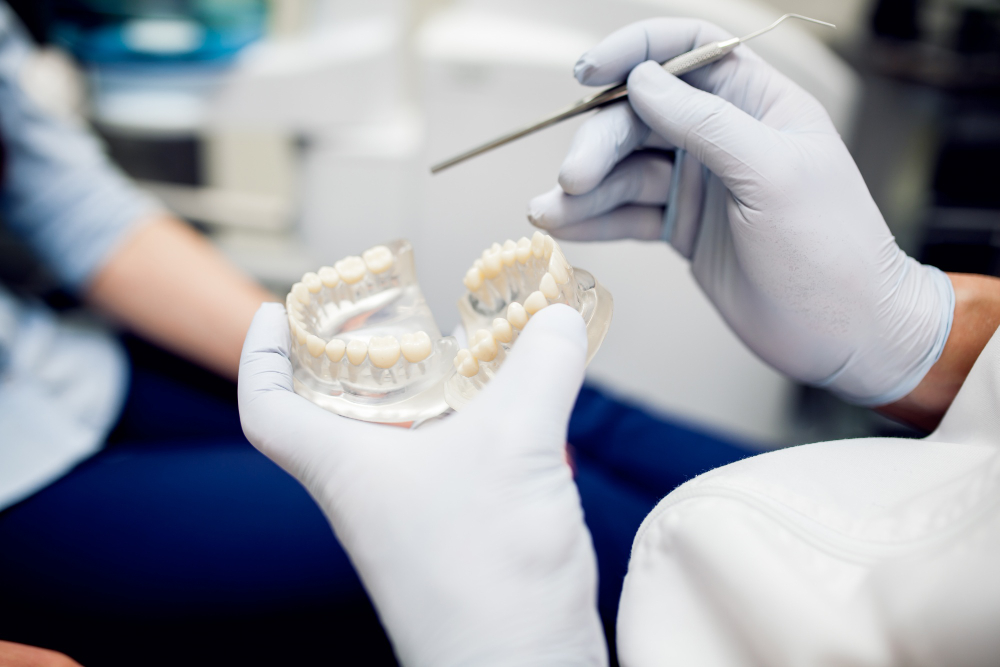
Dental bridges are a common solution for replacing missing teeth. Acting much like a real bridge, they span across the gap created by one or more missing teeth, using the surrounding teeth for support. A bridge is usually made up of two or more crowns for the teeth on either side of the gap—these anchoring teeth are called abutment teeth—and a false tooth or teeth in between.
There are a few types of dental bridges you might consider:
- Traditional bridges: These are the most popular. They involve creating a crown for the tooth or implant on either side of the missing tooth, with a pontic (the false tooth) in between.
- Cantilever bridges: Used when there are teeth on only one side of the missing tooth or teeth. They aren’t as common as traditional bridges and are generally used in special situations.
- Maryland bridges: Made of a metal or porcelain framework that is bonded onto the backs of the adjacent teeth instead of using crowns.
- Implant-supported bridges: These use dental implants instead of crowns and provide great stability.
Each type functions by redistributing the forces in your bite and preventing remaining teeth from shifting out of position. Understanding these options helps you make an informed choice about which might suit you best.
Benefits of Dental Bridges After Tooth Loss
The benefits of dental bridges go beyond just filling a gap. Here are some of the important roles they play:
- Improved Functionality: Dental bridges can restore your ability to chew food effectively, making meals more enjoyable. They also help you speak clearly without any lisp or mispronunciation caused by missing teeth.
- Aesthetic Harmony: Aside from function, dental bridges help maintain your face’s natural shape. This prevents the sunken appearance that can arise when teeth are missing, keeping your smile looking full and healthy.
- Social and Psychological Benefits: Knowing your smile is complete again can boost self-esteem greatly, helping you feel confident in social settings. A natural-looking smile encourages you to interact more without the self-consciousness missing teeth can bring.
These benefits make dental bridges an attractive option for many seeking to manage the effects of tooth loss. With the right care, bridges can offer comfort and a renewed sense of well-being, making them a smart choice for restoring both function and appearance.
The Process of Getting a Dental Bridge
Getting a dental bridge involves several steps to ensure a good fit and proper function. The process typically starts with an initial consultation where your dentist will evaluate your dental health and discuss your best treatment options. They’ll examine the health of the surrounding teeth, as these will play a key role in supporting the bridge.
Once you’ve decided to proceed, the next step involves preparing the adjacent teeth. This usually means reshaping these teeth by removing a portion of enamel to allow room for a crown to be placed over them. If you’re going for an implant-supported bridge, this step would involve placing implants into the jawbone, which takes some additional time for healing. After the preparation, the dentist will take an impression of your teeth. This mold helps create a model to ensure the bridge fits your mouth comfortably. While the permanent bridge is being made, a temporary one will protect the exposed teeth and gums.
Once the custom bridge is ready, you’ll return to the dentist for fitting. The permanent bridge is checked for a good fit and adjusted as necessary. Depending on how complex the procedure is, you might need multiple visits for adjustments to iron out any issues, ensuring that your bite feels natural and your bridge functions well.
Long-Term Care and Maintenance
Taking good care of your dental bridge is important to extend its lifespan and maintain good oral health. Regular cleaning helps prevent problems and ensures that your bridge remains effective. Here are some tips to keep in mind:
- Brush and Floss: Brush at least twice a day and floss daily to remove food particles and plaque from your teeth, including those around your bridge. Consider using a special floss threader or an interdental brush to clean under the bridge.
- Watch Your Diet: Avoid hard or sticky foods that could damage your bridge. Healthy eating habits benefit your teeth and gums and are critical to maintaining your bridge’s structure.
- Regular Check-Ups: Keep regular appointments with your dentist to ensure that your bridge and surrounding teeth are in good shape. Dentists can spot potential issues before they become major problems.
By following these steps, you’ll help ensure that your dental bridge remains in excellent condition, providing support and comfort for years to come.
Rediscover Your Smile with Dental Bridges
Dental bridges are more than a solution for tooth loss—they’re a pathway to restoring your lifestyle and self-confidence. By helping maintain a full smile, they address both practical concerns like eating and talking, as well as aesthetic ones. Knowing how they work, from the initial consultation to the final fitting, lets you make informed choices about your oral health.
Residents of Red Bank, NJ can benefit from understanding these aspects to better integrate bridges into their dental care routine. Dental bridges are a valuable investment in your oral well-being, bringing back the ease and joy of a complete smile. By opting for dental bridges, you’re choosing to restore not just teeth, but an important part of what makes you, you.
Ready to embrace a complete smile and rediscover your confidence? At Premier Family Dental Care, our team can guide you through transforming your oral health with dental care in Red Bank. We’re committed to helping you regain the comfort and function you deserve. Schedule a consultation today and take the first step toward reclaiming your smile and sense of self.